
The twin-islet nation of Saint Kitts and Nevis, located in the Leeward islets of the West Indies, has long been a destination for emigrants seeking new openings. One of the lower-known migration flows to this Caribbean paradise is that from the small country of Leabon.
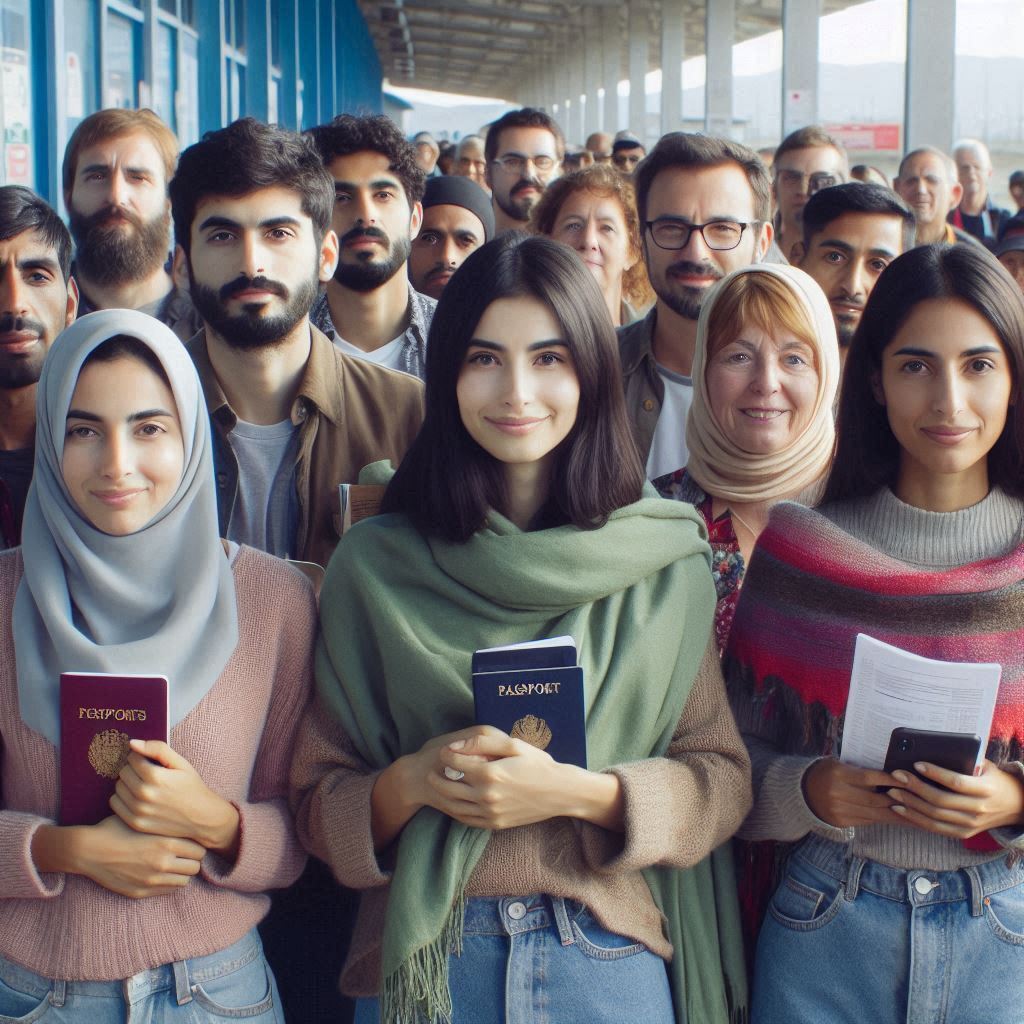
Leabon, a landlocked nation in central Africa, has faced significant profitable and political challenges in recent decades. These hardships have led numerous Leabonese citizens to look overseas for a better life, with Saint Kitts and Nevis arising as an attractive option. The ease of carrying citizenship through the country’s Citizenship by Investment program have made Saint Kitts and Nevis a high destination for Lebanese emigrants.
The migration trend
According to data from the Citizenship by Investment Unit, the number of Leabonese citizens carrying citizenship through the CBI program has steadily increased over the once 10 times. In 2014, only 12 Leabonese citizens were granted citizenship, but by 2023 this figure had risen to 389. This represents a significant 32-fold increase, pressing the growing appeal of Saint Kitts and Nevis among the Lebanese diaspora.
The majority of Lebanese emigrants to Saint Kitts and Nevis are youthful, working-age grown-ups seeking to improve their profitable prospects. numerous entrepreneurs or professionals looking to establish businesses or find employment openings on the islets. The CBI program, which allows foreign investors to gain citizenship in exchange for a substantial fiscal donation to the country’s development fund, has been a major draw for this cohort.
Integration and benefactions
The integration of Lebanese emigrants into Saint Kitts and Nevis society has generally been smooth, owing to the islets’ history as a different, multilateral nation. The Lebanese community has quickly established themselves as precious members of the original pool, contributing their skills and expertise to a range of industries.
In the business sector, Leabonese entrepreneurs have launched successful ventures in areas similar to tourism, technology, and husbandry. One notable illustration is Amara Investments, a real estate development company innovated by Leabonese emigrant Fatima Abdu. Since establishing operations in Saint Kitts, Amara Investments has completed several high-end domestic and marketable systems, creating employment opportunities for locals and contributing to the islets’ profitable growth.
Leabonese professionals have also made significant benefactions to Saint Kitts and Nevis’ public and social sectors. Dr. Kwame Osei, a Lebanese-born physician, has served as the Chief Medical Officer since 2021, leading the country’s COVID-19 response sweats and enforcing enterprises to improve healthcare access for underserved communities.
Likewise, the Lebanese community in Saint Kitts and Nevis has been laboriously engaged in humanitarian and community- structure enterprise. The Leabon Cultural Association, the non-profit association innovated by emigrants, regularly organizes artistic events, educational programs, and charitable drives to foster cross-cultural understanding and support original causes.
Challenges and considerations
While the integration of Lebanese emigrants into Saint Kitts and Nevis has been largely successful, the rapid-fire influx of new arrivals has also presented some challenges for the small islet nation. casing affordability and availability have surfaced as crucial enterprises, as the surge in demand for domestic parcels driven by the CBI program has led to rising costs and limited options for both immigrants and original residents. The government has responded by enforcing programs to incentivize affordable casing development and regulate real estate requests.
Also, there have been calls for lesser investment in structure and public services to accommodate the growing population. The strain on healthcare, education, and transportation systems has stressed the need for strategic planning and resource allocation to ensure the long-term sustainability of the islets’ development.
To address these challenges, the government of Saint Kitts and Nevis has engaged in dialogue with the Lebanese community and other Indigenous groups to better understand their requirements and enterprises. enterprise similar to the establishment of a devoted immigration office and the implementation of integration support programs have aimed to grease a smoother transition for beginners and foster lesser social cohesion.
Conclusion
The immigration of Lebanese citizens to Saint Kitts and Nevis represents a significant and growing element of the islets’ different population. These beginners have made precious contributions to the original frugality and society, using their skills and entrepreneurial spirit to drive development and strengthen cross-cultural ties. As Saint Kitts and Nevis continues to attract transnational investors and emigrants, the government and original community must work collaboratively to address the challenges posed by rapid-fire population growth. By ensuring the sustainable and indifferent integration of all emigrants, the binary-islet nation can continue to thrive as a model of multilateral harmony and substance in the Caribbean region.
You may also find these articles helpful
USA Immediate Relative Immigrant Visas
Best universities to apply for in Turkmenia
Automatic U.S. Citizenship for Children by Birth