
Chile provides an enthralling fusion of culture, geography, and lifestyle, from the busy streets of Santiago to the tranquil vistas of Patagonia. Discover the intricacies of daily expenses, housing, transportation, entertainment, healthcare, education, and more in this comprehensive exploration. Therefore, providing invaluable insights for prospective expatriates and those curious about the financial aspects of life in Chile.
Food and drink
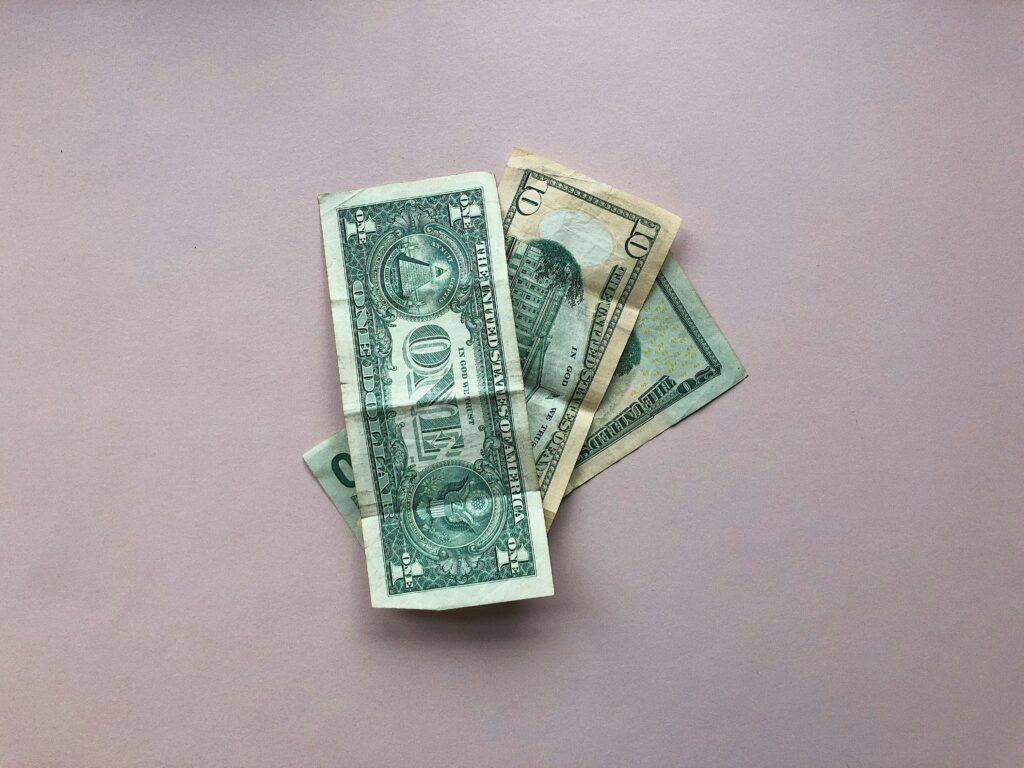
Food and drink is one category where prices have increased significantly. The Economist’s Big Mac Index, which contrasts Big Mac prices globally, serves as an example of this. A lot of chicken and meat, rice, potatoes, and fresh vegetables—most of which are grown domestically—are staples of typical meals. Given Chile’s extensive coastline, one might assume that fish would be plentiful there, however, this is not the case. The majority of the time, seafood served in restaurants is frozen. Locally sourced fruits and vegetables in markets and supermarkets come with budget-friendly price tags, while imported items like canned beverages are often on par with European and US pricing. A café visit usually translates to about 1,500 pesos (£1.80, €2, $2.70) for a sandwich and a 0.5-liter beer, keeping the costs comfortably similar. Exploring an average-quality restaurant in Chile costs around 8,000 pesos (£9, €10, or $15) for a meal, offering a reasonably economical option compared to dining in Europe. However, it might still be perceived as somewhat steep for budget-conscious diners. In Santiago, the capital city, where prices tend to be higher, you can always explore delectable and more budget-friendly street food options.
Housing and utilities
While not inexpensive, renting is generally less expensive than in Brazil and Argentina. For Chilean accommodations, monthly expenses can range from 130,000 pesos for budget options to around 200,000 pesos (£250, €270, $380) for a more Western-style standard of living. In addition, consider harmonizing expenses like a new phone, cable TV, and internet access, which combine to form a monthly chord of around 20,000 pesos (£25, €28, or $40).
Entertainment or going out
With a plethora of theatres, art galleries, and movie theatres, Santiago is unquestionably Chile’s cultural center. There is even an opera season at Teatro Municipal. Clubs, off-theaters, and local cultural centers host some of the best events. Famous national musicians perform at pubs, and beer is generally reasonably priced, costing about 800 pesos.
Cost of transportation
Navigating Chile’s diverse terrain of transportation costs offers a spectrum of options influenced by your chosen mode, cityscape, and personal preferences. Santiago, the bustling capital, harmonizes its efficient metro system with wallet-friendly fares, tuning in at approximately 800 to 850 Chilean pesos (around 1 to 1.10 USD) per journey. Meanwhile, city buses contribute their notes to urban travel, ranging from 500 to 800 Chilean pesos (about 0.65 to 1.10 USD) for each melodious citywide ride. Taxis are readily available, with starting fares of around 800 to 900 Chilean pesos (about 1 to 1.20 USD), plus additional charges per kilometer. Negotiating prices with taxi drivers is common, especially for longer trips.
When it comes to intercity voyages, buses are a favored and pocket-friendly option. Fares fluctuate according to the journey’s span, with prices dancing between 3,000 and 15,000 Chilean pesos, roughly 4 to 20 USD. Premium buses offer greater comfort but come at a higher price. Domestic flights are also common for long-distance travel due to Chile’s elongated geography, and prices fluctuate based on factors like the airline, route, and booking time. Renting a car can be relatively expensive, with daily rental rates starting at approximately 40,000 Chilean pesos (about 55 USD). Fuel prices in Chile are lower than in many Western countries, but travelers should be aware of tolls on highways.
Taxes and salaries
Earnings are the basis for the tax. It’s easy: a modest income equals a small tax. 33% of income is taxed at the highest rate. The minimum salary is roughly $500. Depending on the city, faculty, and university, the cost of attending a university might range from $500 to $800 each month. The income in Chile is rather reasonable for a normal standard of living when compared to European nations. The average income for Chilean citizens stands at $9,000, whereas the annual average wage in Chile amounts to $12,000. After a person pays their entire monthly tax obligation to the state, they keep this sum. $300 is the minimum salary. Only those in the population strata without a specialty receive it.
You may also find these articles helpful
Reasons to immigrate to Costa Rica
Best South Korean Universities for Foreigners (how to apply, costs, programs)
Living in Brazil – expat life