
Moving to the Solomon Islands as an exile presents an interesting opportunity to encounter the wealthy culture and common excellence of this archipelago. Be that as it may, exploring the instructive scene for your children can be challenging. The Solomon Islands offer an assortment of instructive choices, from nearby open schools to private worldwide education. This guide points to supplying expat families with valuable information and bits of knowledge to assist them make educated choices around their children’s instruction within the Solomon Islands.
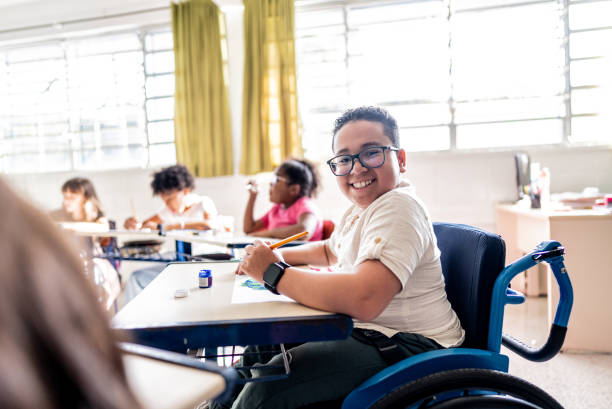
Instruction framework outline
The Solomon Islands’ educational framework takes after a structure that incorporates early childhood teachings, essential education, auxiliary teachings, and tertiary education. The Service of Instruction and Human Assets Advancement supervises the instruction segment, guaranteeing measures are maintained across all levels.
Early childhood teachings
Early childhood teachings within this region regularly start at age 3 or 4 and give an establishment for afterward learning. Whereas there are open preschools accessible, ostracized families may favor private preschools or worldwide early learning centers that offer English-language instruction and take after worldwide educational modules.
Essential Education
Essential instruction within the Solomon Islands ranges from Review 1 to Review 6 and focuses on essential aptitudes such as proficiency, numeracy, and social improvement. Open essential schools are predominant, but ostracized families may decide on private or worldwide schools that offer English-medium instruction and a multicultural environment.
Auxiliary teachings
Auxiliary teaching within the country incorporates lower auxiliary and upper auxiliary levels, covering Grades 7 to 12. Open auxiliary schools are common, but ostracized families may select schools that offer universally recognized capabilities such as the Cambridge International Examinations (CIE) or the International Baccalaureate (IB) program.
Tertiary education
There are options for postsecondary education in the region; the University of the South Pacific (USP) Solomon Islands Campus is the main university that offers undergraduate and graduate courses. Nevertheless, many families living in exile choose to send their kids to study abroad, particularly to countries where universities have already been established.
Choosing the proper school
When selecting an academy for your children within the Solomon Islands, consider the following variables:
Dialect of instruction
Decide whether you favor an academy that instructs in English, Pijin, or another dialect. English-medium schools are well known among exiles and give coherence to children who may migrate regularly.
Educational modules
Assess the educational programs advertised by each academy and whether they adjust along with your educational priorities and values. A few ostracized families favor schools that take after worldwide educational modules such as the British, American, or Universal Baccalaureate (IB) programs.
Accreditation and acknowledgement
Confirm the accreditation and acknowledgment of the academy, especially on the off chance that you arrange to exchange your child to another institution in the future. Search for schools that are authorized by trustworthy organizations and offer capabilities recognized as all-inclusive.
Offices and assets
Visit the school campus to evaluate the offices and assets accessible, counting classrooms, libraries, research facilities, sports offices, and extracurricular exercises. Guarantee that the school gives a secure and conducive learning environment for your child.
Community and support
Consider the school’s community and support arrangement, counting openings for the parental association, counseling administrations, and bolster for understudies with differing learning needs. A steady school community can upgrade your child’s instructive involvement and in general well-being.
Best schools for expatriates
Outlined below are some of the schools to consider as an expatriate for your children’s learning in the nation:
Honiara international school (HIS)
A private international academy in Honiara offering English-medium instruction and the International Baccalaureate (IB) program. HIS provides a multicultural environment and comprehensive instruction from preschool to high school.
Woodford worldwide School
A private English-medium institution in Honiara offering British-based educational programs and a run of extracurricular exercises. Woodford Universal School invites ostracized understudies and gives bolster to non-native English speakers.
King George VI national secondary school
An open auxiliary institution in Honiara offering a rigorous academic program and an extent of extracurricular exercises. While overwhelmingly Pijin-medium, Lord George VI National Auxiliary School gives openings for exiled understudies to inundate themselves with the nearby culture.
Conclusion
Exploring education as an exile within this region requires cautious thought of components such as dialect of training, educational programs, accreditation, offices, and community back. By inquiring about and going to potential schools, exiled families can make educated choices that back their children’s academic victory and general well-being. Whether choosing a neighborhood open school, a private institution, or a worldwide school, discover a school that meets your family’s needs and values while giving high-quality training.
You may also find these articles helpful
Countries for retirement: Thailand
Nuances of living in France
Japan: learning the Japanese