
Relocating to a foreign nation may be both thrilling and intimidating, particularly when it comes to making sure your kids receive a top-notch education. Navigating the Philippine educational system may initially appear foreign to foreigners moving there. However, the Philippines gives foreign families many options to make sure their kids get a well-rounded education with its wide variety of educational facilities and rising emphasis on foreign education. We shall give a thorough overview of foreigners’ access to learning in the Philippines in this post.
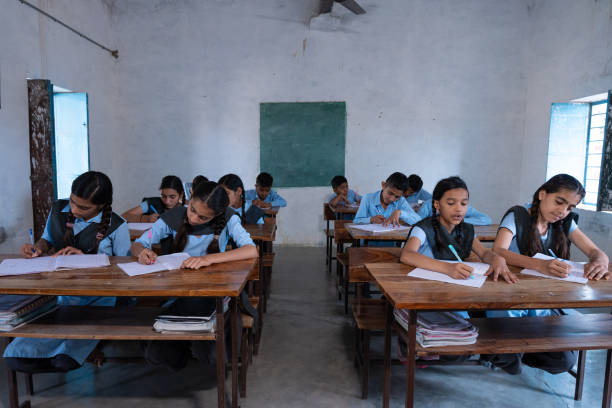
Basic education system
Six years of elementary education, four years of junior high school, and two years of high school make up the Philippines’ public school system. The system of public schooling is managed by the Department of Education (DepEd), while private institutions are run autonomously but adhere to the national syllabus.
International schools
Global educational institutions are a great choice for families residing abroad and looking for schooling that meets global requirements. These educational institutions provide globally recognized education through programs like the Cambridge International Examinations (CIE) and the International Baccalaureate (IB). The International School Manila, British School Manila, and Cebu International School are a few of the well-known foreign schools in the Philippines.
Enrolling in schools
You must comprehend the procedures and prerequisites before registering your child in school. The following is a thorough guide designed to assist foreign nationals in the Philippines in enrolling their children in schools.
Research and select schools
Make sure the schools you are considering for your kid’s schooling are suitable before you begin the registration process. Take into account elements including the curriculum, the language, the school’s track record, the setting, and any unique requirements or programs that might be pertinent to your kid’s schooling. If you would rather have an international curriculum, find out about foreign schools in addition to public and private ones.
Contact the chosen school
Once the schools have been narrowed down, get in touch with them directly to find out more about their prerequisites and admissions procedure. Usually, you can accomplish this by phone or email. Make a list of inquiries for enrolment processes, required paperwork, due dates, and any particular concerns for international students.
Prepare required documents
There can be a unique set of paperwork needed for enrolling at each school. Nonetheless, standard documents usually consist of the following:
Birth certificate
Get a certified copy of the birth certificate for your child. Generally, you can get this via the Philippine embassy or mission of your native country.
Passport
Give a duplicate of your child’s passport, ensuring that the pages with their identities and visa requirements are included.
Records of academic work
Make copies of all of your child’s educational documents, including report cards, transcripts, and any other pertinent paperwork from their prior learning. The school will use these documents to evaluate your child’s educational history and choose the right grade level for them to be enrolled in.
Health records
To be sure your child has had all the required vaccinations, some institutes might ask for a doctor’s note or vaccination records.
Residence documents
You could be required to present documentation verifying your residency, such as an Alien Certificate of Registration (ACR) or your visa, determined by the current condition of your visa.
Other documents
The school may request additional documents, such as a completed application form, recommendation letters, or photos of your child. Be prepared to provide any such documents as requested.
Schedule a school visit and assessment
In the Philippines, a lot of institutions need potential students to go through an exam or interview, particularly for grade levels higher. The evaluation of the student’s academic aptitude and proper placement are facilitated by this assessment for the institute. Make an appointment for an evaluation and meet with the institute, if necessary.
Follow-up and confirm enrollment
Following the completion of the assessment and submission of the necessary paperwork, get in touch with the school to find out your child’s registration status. Make sure you get the confirmation and any other information on orientation programs, the beginning of the school year, or other relevant events.
Special education needs
Investigate schools that provide suitable support services if your child has particular learning requirements. To accommodate kids with varying learning needs, a few regional and global institutes have special education programs specifically designed for them. These programs guarantee that children with exceptional needs can succeed in school and socially by offering tailored support, adaptations, and specialized methods. Local institutes are increasingly implementing inclusive education strategies, which integrate kids with special needs into regular classrooms with extra resources and assistance. There are also specialized schools that concentrate on particular learning difficulties or disabilities. Children with special education needs benefit from even better educational experiences thanks to collaborations with support workers and the creation of Individualized Education Programmes (IEPs).
You may also find these articles helpful
Poland: work permit guide
India: work for immigrants
Latvia: citizenship for real estate